Somewhere between the second and third course of my first real tasting menu, I stopped eating and just stared at the plate. Not because the food was extraordinary — it was, but that's not why I froze. I froze because I'd been handed a small spoon I didn't recognize, and a server was standing three feet away, waiting, and I had absolutely no idea what to do with it.
That's the thing nobody tells you about fine dining. The food is only half the experience. The other half is a set of unspoken rules that everyone around you seems to already know, and you're expected to figure out on the fly — while wearing clothes you probably borrowed.
So let's talk about what actually happens at a fine dining restaurant, from the moment you walk in to the moment you sign the check. No mystique, no gatekeeping. Just what to expect, how long it takes, and how to avoid looking like I did that night.
Key Takeaways
- A fine dining meal typically runs 2 to 3.5 hours — sometimes longer with wine pairings or a chef's tasting menu
- The experience is choreographed: multiple courses, synchronized service, and a dedicated team rather than one server
- Dress code is usually smart casual at minimum; many places still enforce jackets for men and request no athletic wear
- You are not expected to know everything — asking your server about an unfamiliar item is normal and welcomed
- The bill is significantly higher than a regular restaurant, and service charges are often already included
- Pacing is deliberate, not slow. If you feel rushed, say something — a good team will adjust
What actually happens during a fine dining experience
Walk into a fine dining room and the first thing you notice isn't the food. It's the quiet. The lighting is low but deliberate. Someone greets you by name if you have a reservation. And then the choreography starts.
Here's what the timeline looks like in practice:
- Arrival and seating — you're greeted, coats are taken, and you're walked to your table. Napkins are placed on your lap, not handed to you
- Menu presentation — menus arrive, and a server or captain walks you through the structure: how many courses, what's optional, what the kitchen recommends tonight
- Bread and amuse-bouche — a small bite arrives before your order even lands, often from the chef. It's a signal: the kitchen is already working for you
- Ordering — you'll usually place your entire order at once, not course by course, especially if it's a tasting menu
- The courses — plates arrive and are cleared in sync. Multiple staff may serve the same table at once
- Wine service — a sommelier may appear, or your server handles it. They'll pour a small taste for you to approve first
- Dessert, coffee, and the check — dessert can come in multiple parts, and coffee is often poured tableside
What surprised me most is how quietly everything moves. Nobody shouts. Dishes appear as if by magic. Water glasses refill themselves. It's designed to feel effortless, and that effortlessness is the most expensive part of the meal.
You're served by a team, not a single server
In a regular restaurant, one person owns your table from start to finish. In fine dining, a captain, a back server, a runner, a sommelier, and sometimes a maître d' all touch your experience. They communicate with eye contact and small nods. One of the fastest ways to spot a well-run room is watching how smoothly plates land at the same time across a table of six.
What is the 30/30/30 rule for restaurants?
The 30/30/30 rule is a budgeting guideline rather than a rule of etiquette: it suggests spending roughly 30% of your monthly food budget on groceries, 30% on dining out, and 30% on other food-related costs. It's a planning framework, not something a restaurant enforces. Some people adapt the idea to a single night out, allocating about 30% of their total spend to food, 30% to drinks, and 30% to service and extras. Treat it as a rough mental check, not a rule written in stone.
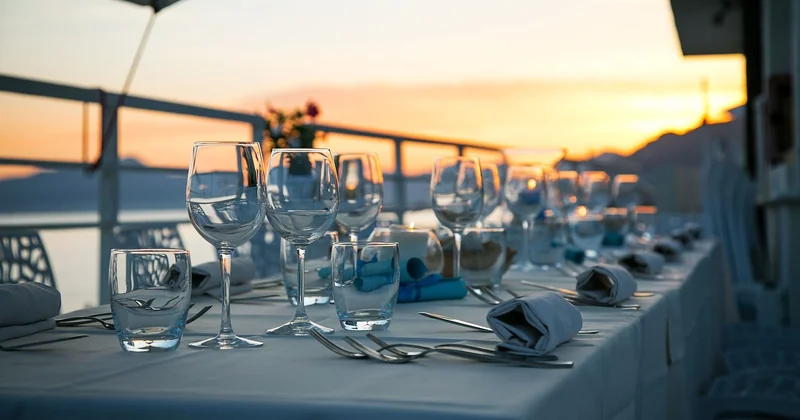
How long does a fine dining experience take?
Plan for two to three and a half hours for a full tasting menu. A three-course à la carte dinner usually lands closer to 90 minutes. If you add a wine pairing, expect another 30 to 45 minutes because each pour has its own rhythm.
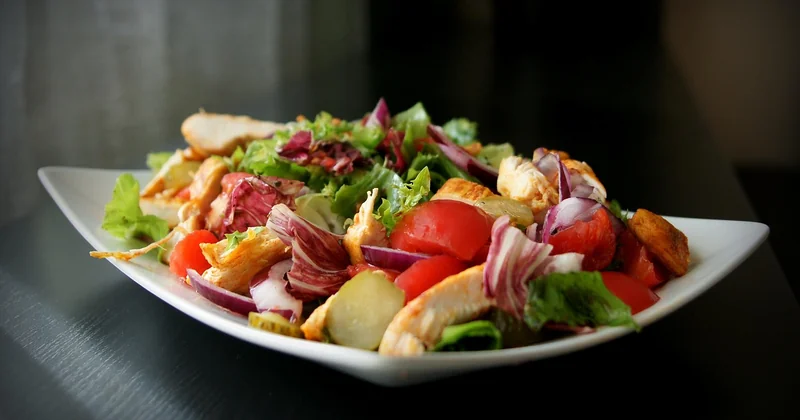
And here's what trips people up: the length is not a side effect. It's the point. Fine dining is meant to slow you down. Courses are spaced so you actually get hungry again between plates. One chef I spoke with described the pacing as "giving the palate a chance to reset." That's the polite version. The honest version is that a 12-course meal eaten quickly would just be a very expensive snack.
| Meal type | Typical duration | Number of courses |
|---|---|---|
| Weekday dinner, à la carte | 1.5 – 2 hours | 3 |
| Tasting menu | 2 – 3 hours | 5 – 8 |
| Chef's tasting menu with wine pairing | 3 – 4 hours | 8 – 14 |
What to wear for a fine dining experience
Reserve first, then choose the outfit. That order saves you a lot of stress. Most fine dining restaurants publish a dress code on their website, and it's usually one of three levels: smart casual, business casual, or formal.
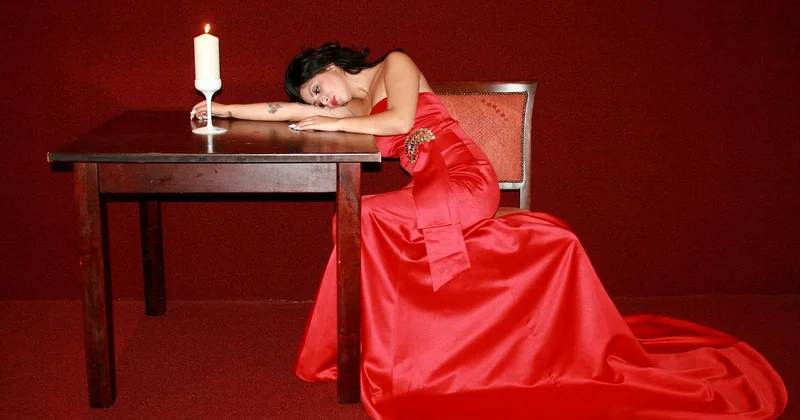
Smart casual means no shorts, no flip-flops, no torn jeans. Business casual adds a jacket for men, though it doesn't have to be a suit. Formal means a jacket and tie, and a few old-guard places still keep a loaner jacket at the door for guests who show up underdressed.
One mistake I made early on: I wore a nice shirt but running shoes. Nobody said anything directly, but the maître d' offered me a table near the back, and I noticed the difference. Not a rule. Just a read of the room.
A simple framework:
- Check the restaurant's website for a stated dress code
- When in doubt, dress one notch above what you'd wear to a nice neighborhood restaurant
- Skip strong perfume or cologne — it interferes with the food
- Leave the phone in your pocket. Nobody will confiscate it, but you'll notice almost no one else is scrolling
Fine dining vs a regular restaurant: what actually changes
The differences aren't just about price. They show up in how the room is built and staffed.
- Service ratio — a fine dining room may have one staff member for every three or four guests; a regular restaurant often runs closer to one per fifteen or twenty
- Menu size — fine dining menus are shorter. Dozens of options usually signal a kitchen working from a freezer
- Timing — dishes are sent out in sync with the whole table, not when each plate is ready
- Cost of a mistake — if something is under-seasoned, you'll be asked how it tastes before the plate is fully cleared, and the kitchen will fix it without argument
What doesn't change is the fundamental transaction: you're paying for a meal. If the food doesn't taste good, the service being beautiful doesn't make up for it. I've eaten at a two-hour dinner where the wine service was flawless and the main course was bland, and I left hungry and annoyed. Atmosphere can carry a night, but only so far.
Is it rude to ask for something not on the menu?
No, within limits. Asking for a substitution on a classic ingredient is fine — most kitchens will accommodate allergies or a genuine dislike. Asking the chef to improvise a dish that isn't there is a different request, and it usually isn't received well. Adjustments: yes. Off-menu ordering: rarely.
Should I tip on top of the service charge?
If a service charge is already on the bill, that covers the staff. Adding a small extra for genuinely exceptional service is appreciated but not required. If there's no service charge, tip as you would at any good restaurant.
What a realistic night actually looks like
You walk in at 7:30. By 7:45 you've ordered. The first amuse-bouche lands at 7:50. You don't see the main course until 9:10. Dessert comes in stages — a pre-dessert, the actual dessert, and small sweets with the coffee. You sign the check at 10:30 and step outside feeling both full and oddly light, because the portions were small and the evening was long.
That pacing is the whole point. Fine dining isn't a faster way to eat well. It's a slower one. If you go in expecting a quick, luxurious dinner, you'll spend the first hour checking your watch. If you go in expecting a slow evening designed to be lingered over, the whole thing clicks into place.
The spoon I didn't recognize that first night? It was for a palate cleanser that arrived between the fish and the meat. Nobody laughed at me. A server simply explained it and moved on. That's the thing about professional fine dining rooms: the people working there want you to have a good time, and they've seen everyone make the same small mistakes.
Show up curious. Follow your server's lead. Order the wine pairing if you can afford it, and skip it without guilt if you can't. The rest you'll pick up by your second course.