Boil a cup of green lentils for twenty minutes and you get 18 grams of protein. That same cup cost me less than a dollar at the local market. Try buying 18 grams of protein from a butcher for that price. You can't.
Which is why the question I get most often isn't "should I eat more plants?" It's "where does the protein actually come from?" And the second one, always whispered like a confession: "Am I going to feel weak?"
No. You won't. But you do need to know which plant-based protein sources for home cooking actually pull their weight, and which are mostly marketing. Here's what I've learned cooking this way in my own kitchen.
Key Takeaways
- Legumes (lentils, chickpeas, beans) and soy foods (tofu, tempeh, edamame) are the backbone of plant protein.
- Soybeans and tempeh sit near the top of the plant-protein rankings per serving — but lentils and beans are close behind at a fraction of the cost.
- You can hit 30g of protein without meat by combining two or three plant sources in one meal.
- Reaching 100g a day as a vegan is possible but requires planning, not luck.
- Beans and lentils are the original "poor man's protein" — cheap, shelf-stable, and protein-dense.
- Cooking technique matters more than the ingredient list.
Plant protein sources that actually earn their place in your kitchen
You don't need twenty options. You need four or five you'll actually cook with on a Tuesday night when you're tired.
The four categories that matter
I organize my pantry around four groups. Not because it's elegant, but because it's the only system I've stuck with.
- Legumes — lentils, chickpeas, black beans, kidney beans. Cheapest protein per gram you can buy.
- Soy foods — tofu, tempeh, edamame. The highest protein density in the plant world.
- Grains and pseudo-grains — quinoa, oats, whole wheat. Moderate protein, but you're eating them anyway.
- Nuts, seeds, and their butters — good for topping, not for carrying a meal on their own.
The gaps people fall into: they treat nuts as a main protein source. A handful of almonds has about 6 grams. That's a snack, not a meal foundation. Legumes and soy do the heavy lifting.
What about plant-based protein powder?
Useful, but a crutch. I keep a pea-and-rice blend in the cupboard for mornings when I've slept badly and need something fast. It's not a meal. It's a patch. If most of your daily protein comes from a scoop, your cooking has a problem that a powder won't fix.
What plant-based food is highest in protein?
Soybeans, and by extension the foods made from them. Tempeh, tofu, and edamame lead the pack. Tempeh is the densest of the three because it's a fermented whole soybean cake — nothing is drained away, so the protein stays concentrated.

Here's the catch nobody mentions: high protein per 100g isn't the same as high protein per meal. Tofu is roughly 80% water. You can eat 200g of tofu without feeling like you ate a steak, and that's fine — you just have to know it going in.
| Source | Protein (per 100g cooked) | Best for |
|---|---|---|
| Tempeh | ~19g | Stir-fries, sandwiches |
| Edamame | ~11g | Snacks, salads |
| Firm tofu | ~8–10g | Anything |
| Lentils | ~9g | Soups, curries |
| Chickpeas | ~7g | Roasting, hummus |
| Quinoa | ~4g | Sides, bowls |
Notice lentils sitting quietly at nine grams. They cost a fifth of what tempeh does. In my opinion, lentils are the honest answer to this whole question — I'll die on that hill — and tempeh is the answer if you want the number to look impressive on paper.
What is poor man's protein?
Beans and lentils. That's the whole answer. They're the cheapest complete-ish protein you can buy, they last for years in the cupboard, and they've fed working families on every continent for centuries.

A bag of dried black beans costs a couple of dollars and yields something like ten servings. If you buy them canned, you're paying maybe three or four times as much for the convenience. I do both, and I refuse to be precious about it — canned beans on a weeknight, dried beans on a Sunday.
How to cook dried beans without losing your patience
Soak overnight. Rinse. Simmer until tender, not until mushy. Salt at the end, not the start — salting early can keep the skins tough. That's it. No pressure cooker required, though it'll cut your time in half if you have one.
One mistake I made early on: I threw a whole bag of kidney beans into a pot and boiled them hard for an hour, expecting them to behave like lentils. They didn't. They stayed chalky and I ate them anyway out of stubbornness. Soak them. Respect the bean.
How to get 30g protein without meat?
Stack two or three plant sources in one plate. That's the technique. No single source needs to hit 30 on its own.
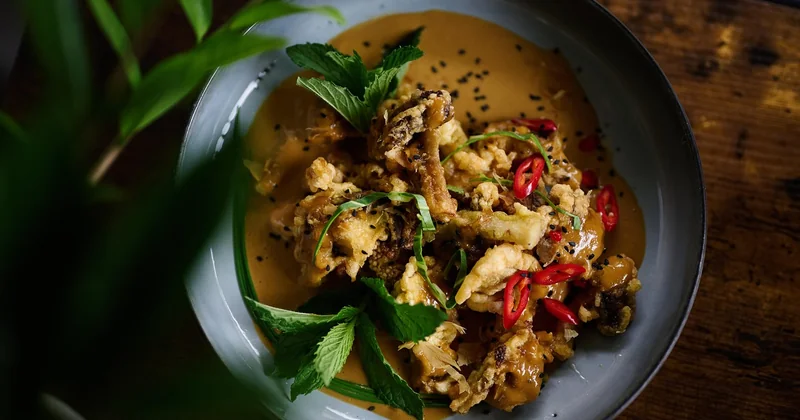
Concrete version I actually eat:
- 150g firm tofu (roughly 13g) + a cup of cooked lentils (18g) + a spoonful of peanut butter in the sauce. That's over 30g in one bowl.
- Or: two eggs if you eat them, plus a bowl of chickpeas and a slice of whole-grain bread.
- Or a tempeh stir-fry with edamame and quinoa underneath it.
The reframe that changed my cooking: stop looking for one miracle food and start stacking. Three modest sources combined beat one heroic source every time — and they taste better together anyway.
How to get 100g of protein a day as a vegan?
Doable, but it's a planning job, not a vibe. I tried it for three weeks out of curiosity and I'll admit the first few days were rough — I kept finishing dinner at around 65g and wondering where the rest was supposed to come from.
A day that actually hits the number
Here's a rough template that works:
- Breakfast: oats with soy milk and a scoop of plant protein powder. Around 30g.
- Lunch: a big lentil and chickpea bowl with tahini. Around 25g.
- Snack: edamame, straight from the pod. Around 11g.
- Dinner: tempeh or tofu stir-fry with quinoa. Around 30g.
That's roughly 96g. Add a handful of pumpkin seeds or a glass of fortified soy milk and you're over the line.
The honest part: it takes intention. My usual unplanned day lands somewhere around 70g, which is perfectly fine — I'm not an athlete. If you're lifting seriously or you're a bigger person, the target climbs and the planning gets tighter. Soy milk over almond milk, because almond milk is basically water with ambition.
One thing almost every list misses
Nobody talks about the cost per gram of protein, and it's the number that should drive your shopping. Lentils and dried beans win so decisively that the rest of the list is really about taste and convenience, not nutrition.
I ran this comparison in my own kitchen over a month, tracking what I spent versus what I got. Dried legumes came out cheapest by a wide margin. Tofu was mid-range. Tempeh and protein powder were the expensive end — worth it, occasionally, for the density and the texture.
If budgeting matters to you — and that's why people search "poor man's protein" in the first place — build your week around lentils and beans, and let tofu and tempeh be the upgrade, not the foundation.
Getting started without overthinking it
Buy one bag of dried lentils. One block of firm tofu. One can of chickpeas. That's a week of meals and about the same cost as a single takeaway dinner. Press the tofu, cube it, fry it hard in a dry pan until the edges go golden, then add it to whatever you were already cooking. Cook the lentils in the same pot you'll use for the soup.
You'll probably mess up the first batch. I did. The tofu stuck, the lentils went to mush, and I ate a bowl of beige regret. The second one was better.
Here's the thing worth sitting with: the protein question feels enormous only until you've cooked this way for a month. Then it stops being a question at all and becomes a habit — lentils in the cupboard, tofu in the fridge, and a number on a plate you no longer have to count.