Basic baking mistakes that ruin your cakes (and how to fix them for good)
The cake looked perfect in the photo. Mine came out with a crater in the middle and a texture somewhere between rubber and regret. I'd followed the recipe word for word—or so I thought. What I didn't realize was that I'd broken three of the most common baking rules before the batter even hit the oven.
Ask anyone who bakes regularly and they'll tell you the same thing: it's rarely the recipe that fails. It's the small, invisible decisions you make along the way. Here's what I've learned from years of trial, error, and a fair number of cakes that ended up in the bin.
Key Takeaways
- Weighing your flour instead of scooping it can make or break a cake's texture—one cup can vary by up to 20% depending on how you fill it.
- Room-temperature ingredients aren't a suggestion, they're a requirement for proper emulsification.
- Your oven is probably lying to you. An inexpensive thermometer will change everything.
- Opening the oven door during the first 20 minutes can cause a perfectly good cake to collapse.
- Most frosting failures come down to temperature, not technique.
The flour trap: why your measurements are probably wrong
Here's the thing nobody tells you when you start baking: flour compacts. Scoop it straight from the bag with your measuring cup and you could be adding 15 to 20% more flour than the recipe intended. That's the difference between a moist crumb and a dry brick.
I made this mistake for two years. Every cake I baked was slightly dense, slightly dry, and I blamed the recipe. Then I bought a kitchen scale for under twenty dollars and everything changed.
If you don't have a scale, do this instead
Fluff the flour with a spoon first. Then spoon it gently into your measuring cup. Level it off with the flat edge of a knife. Never tap the cup on the counter, never pack it down, never scoop directly from the bag.
A cup of all-purpose flour should weigh roughly 120 to 125 grams. If yours weighs 150, you've just added the equivalent of an extra quarter-cup to your recipe.
- Buy a scale. It costs less than two bags of good chocolate.
- If you must use cups, spoon and level—always.
- Weigh liquids too, if you want real consistency.
Ingredient temperature: the silent killer of good cakes
Cold butter doesn't cream. Cold eggs don't emulsify. If your recipe says "room temperature," it means it.
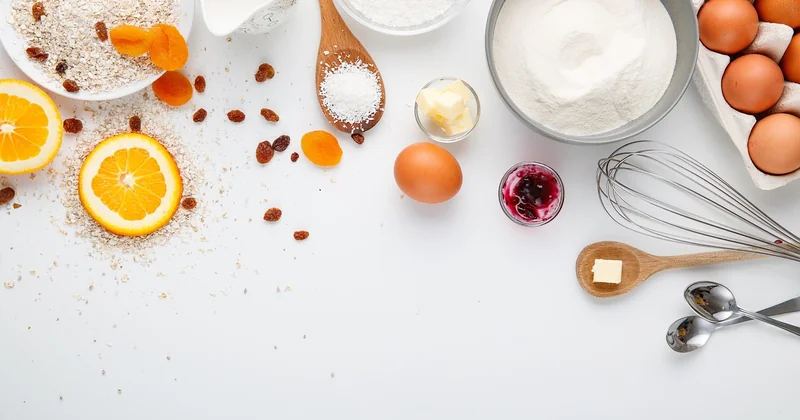
I once tried to rush a batch of cookies by microwaving cold butter for ten seconds. It melted unevenly—soft on the outside, rock hard in the center. The cookies spread into flat puddles. Lesson learned.
How to bring ingredients to room temperature fast
Take eggs out of the fridge thirty minutes before you start. If you forgot, place them in a bowl of warm—not hot—water for five to ten minutes. For butter, cut it into small cubes and leave it on the counter. It should yield slightly when pressed but not greasy.
Why does this matter? Because room-temperature ingredients blend into a smooth, even batter. Cold ingredients seize up, creating lumps and uneven texture that no amount of mixing will fully fix.
Your oven is lying to you (and here's how to catch it)
Most home ovens run 10 to 25 degrees off from what the dial says. Some run hot, some run cold, and many have hot spots that bake one side of your cake faster than the other.
An oven thermometer costs less than a coffee. Place it in the center of your oven, preheat for at least 20 minutes, and check the reading. You might be surprised.
Preheating and rack position: two things you're getting wrong
Preheating isn't just about warming the oven. It's about letting the walls, the racks, and the interior fully reach temperature. Ten minutes isn't enough. Give it twenty.
And position matters. The middle rack is your default for almost everything. If you're baking two sheets at once, rotate them halfway through and leave space between them for air circulation.
The door-opening mistake that collapses cakes
Every time you open the oven door, the temperature drops by 25 to 50 degrees. For delicate cakes, that sudden change can cause the center to sink. Resist the urge to peek. Use the oven light instead, and only open the door when you're close to the estimated baking time.
Mixing too much, folding too little
Overmixing develops gluten, and gluten makes cakes tough. Once you add flour, mix until it's just incorporated. A few streaks of flour are fine—they'll disappear during baking.
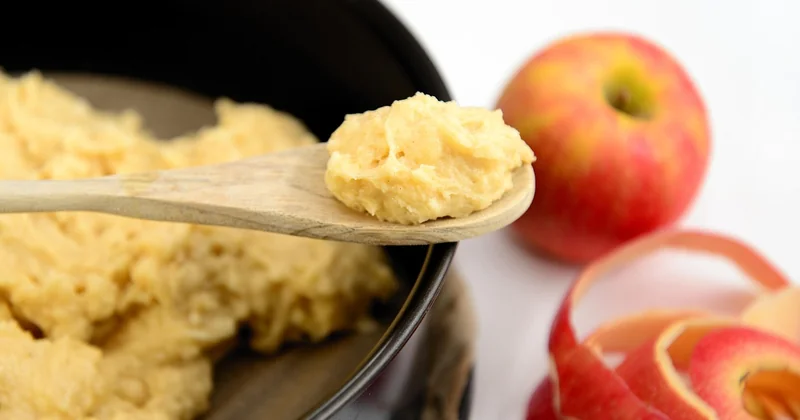
Folding is different. When you fold in whipped egg whites or whipped cream, you're trying to keep the air you just incorporated. Use a spatula, cut down through the center, and fold the batter over. Rotate the bowl a quarter turn and repeat. Stop as soon as you see no more streaks.
- Overmixing after flour = tough, chewy cake.
- Undermixing before flour = uneven distribution of butter and sugar.
- Folding too aggressively = deflated batter, flat cake.
Cooling and unmolding: the final steps that go wrong
You've done everything right. The cake smells incredible. Then you try to unmold it while it's still hot and half of it stays stuck to the pan.
Let cakes cool in the pan for 10 to 15 minutes. Any longer and they might steam themselves soggy. Any shorter and they'll crumble. Run a thin knife around the edge, then invert onto a rack.
Frosting a warm cake is another common trap. The frosting melts, slides off, and you end up with a mess. Wait until the cake is completely cool—room temperature at the very least.
Quick reference: common baking problems and their solutions
| Problem | Likely cause | Fix |
|---|---|---|
| Cake sinks in the middle | Oven door opened too early, or too much leavening | Don't open the door for the first 20 minutes; check your baking powder |
| Dry, crumbly texture | Too much flour, or overbaking | Weigh your flour; start checking 5 minutes before the recipe time |
| Dense, rubbery cake | Overmixing after adding flour | Mix until just combined—lumps are okay |
| Uneven browning | Hot spots in your oven | Rotate the pan halfway through; use an oven thermometer |
| Frosting slides off | Cake still warm | Wait until completely cool before decorating |
The honest truth about baking mistakes
You will make these mistakes. I still catch myself scooping flour directly from the bag when I'm in a hurry, and I've been doing this for years. The difference is that now I know what went wrong and why.
Baking rewards attention more than talent. It's not about being naturally gifted—it's about paying attention to the details that don't seem to matter until they do.
Start with one thing. Buy a scale. Or an oven thermometer. Or just set your eggs out thirty minutes earlier. Small changes, compounded over time, turn mediocre cakes into ones people actually ask you to bring to dinner.
And when a cake fails—because sometimes it will—you'll know exactly which variable to adjust next time. That knowledge is worth more than any single perfect bake.