How to store fresh herbs so they last longer: separate the soft from the woody
You bought a bunch of basil for one recipe. Three days later it's black. The cilantro turned to slime in the crisper drawer. The thyme is somehow fine, sitting there like it doesn't care. There's a reason for that, and once you understand it, storing fresh herbs stops being a guessing game.
The single biggest mistake I see — and one I made for years — is treating all herbs the same. They are not the same. Soft herbs (basil, cilantro, parsley, mint, dill, chives) and woody herbs (thyme, rosemary, sage, oregano, marjoram) have opposite needs. Store them the same way and one group always loses.
Key Takeaways
- Soft herbs go in water or a damp towel; woody herbs go dry and wrapped.
- Basil should never touch the fridge — cold blackens it fast.
- Water storage buys you roughly 3 to 7 extra days for stemmed soft herbs.
- Freezing preserves flavor far better than drying for most herbs.
- Chop nothing until the moment you use it.
- The real enemy is ethylene and moisture, not time itself.
Why fresh herbs die so fast in your kitchen
Most herbs sold in supermarkets come with a cut stem and no root. A cut stem is a wound. The plant can't pull water up anymore, so it wilts, and the moment it wilts, enzymes start breaking down the leaves. That's the first problem.
Then there's the fridge. Two things go wrong in there. Cold damage — basil and a few others genuinely hate temperatures under about 50°F (10°C) — and ethylene, the ripening gas that fruit and vegetables release. Store your parsley next to an apple and you've basically scheduled its funeral. I lost a whole drawer of herbs this way before I understood what ethylene even was.
Soft versus woody: the split that decides everything
Soft herbs have thin, flexible stems and delicate leaves. They lose water fast and they bruise easily. Woody herbs have tough, fibrous stems and small, often waxy leaves that hold moisture well. That difference is the whole game. Here's the short version:
- Soft herbs → water or damp paper towel, some in the fridge, basil on the counter.
- Woody herbs → dry, loosely wrapped, in the fridge, and they'll hold for weeks.
Get that split right and you've solved about 80% of the problem.
Storing soft herbs in water: the flower-vase method that actually works
Treat a bunch of cilantro or parsley like a bouquet and it rewards you. This is the method I use most, and it's the one that consistently beats everything else for stemmed soft herbs.
Here's exactly what I do:
- Trim the bottom of the stems at an angle with a sharp knife — not scissors, which crush the stem.
- Pull off any leaves that would sit below the waterline. Rotting leaves in the water is what kills the whole bunch.
- Stand the bunch in a glass or jar with an inch or two of cold water.
- Cover the top loosely with a plastic bag or a reusable produce bag. Loose, not sealed — trapped moisture grows mold fast.
- Change the water every two days. Yes, actually do it.
For cilantro, parsley, mint, and dill, put the glass in the fridge. For basil, keep it on the counter, away from direct sun. That's the one herb that wants room temperature. Refrigerated basil goes limp and black within a day.
How to keep fresh herbs longer in the fridge
If water storage feels like too much upkeep, there's a solid alternative: the damp towel method. Lay the herbs on a clean, slightly damp paper towel, roll them loosely, and slide the roll into a zip bag left partly open. The towel holds humidity without soaking the leaves, and the open bag vents the ethylene. In my experience this buys you about 5 to 8 days for soft herbs — less than water, but it takes thirty seconds to set up.
One thing that helps both methods: keep herbs away from the fruit drawer. That's where the ethylene lives.
Storing woody herbs: less fuss, more patience
Thyme, rosemary, sage, and oregano are genuinely low-maintenance. They don't want water — a wet stem rots faster than a dry one. Wrap them loosely in a dry paper towel, then in a bag or a glass jar with a lid cracked open, and put them in the fridge. Rosemary and thyme will often hold two to three weeks this way.
You can also just leave woody herbs in a jar of water on the counter, like the soft ones. They'll keep growing — rosemary in particular will push out roots if you leave it long enough. I've had a rosemary sprig root in a glass on my windowsill and end up planted in a pot. That's a free plant, and I'll take it.
Storing herbs in glass jars (and the Mason jar question)
Glass jars come up a lot, and for good reason. They're stackable, they keep ethylene from other produce away, and you can see what's inside without opening anything.
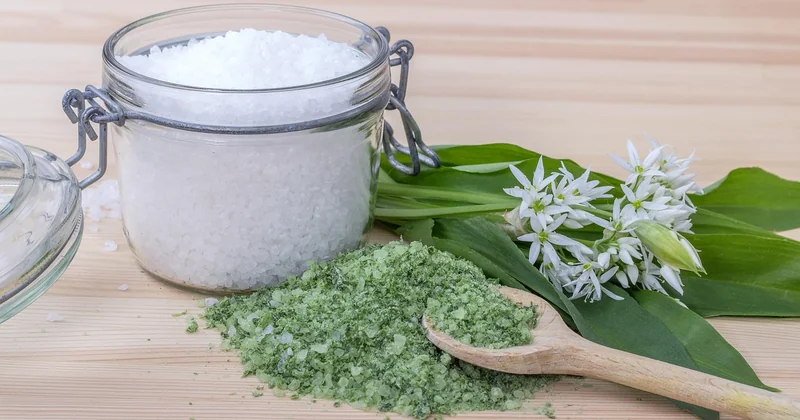
But there's a catch. A jar with a sealed lid traps moisture, and trapped moisture plus a bruised leaf equals mold within days. The trick is ventilation. Either leave the lid loose, or use a jar with a cloth or mesh top held on by a rubber band. That gives you airflow without letting the herbs dry out completely.
For woody herbs, a closed jar with a dry paper towel at the bottom works well — the towel absorbs any stray moisture. For soft herbs, I'd still go with water or the damp towel over a sealed jar. Glass is a tool, not a rule.
| Herb type | Best method | Where | Typical shelf life |
|---|---|---|---|
| Basil | Stems in water, loose bag | Counter | 5–10 days |
| Cilantro, parsley, dill | Stems in water, loose bag | Fridge | 7–14 days |
| Mint | Stems in water | Fridge | 7–12 days |
| Thyme, rosemary, sage | Dry paper towel, loose wrap | Fridge | 2–3 weeks |
| Chives | Damp towel roll | Fridge | 5–7 days |
Those ranges are what I've observed in my own kitchen over a few years of testing this stuff. Your fridge runs at a different temperature than mine, and that shifts everything by a few days either way.
How to store fresh herbs long-term in the freezer
When you have more herbs than you can use in a week, stop fighting the clock and freeze them. Done right, frozen herbs keep usable flavor for several months, and for cooking they're often better than dried.
Three ways, ranked by how often I reach for them:
- Oil cubes. Chop the herbs, pack them into an ice cube tray, cover with olive oil, freeze. Toss a cube straight into a hot pan. This is my go-to for basil and cilantro.
- Butter log. Work chopped herbs into softened butter, roll it in parchment, freeze. Slice off rounds as needed for steak or bread.
- Whole-frozen bags. For woody herbs, just strip the leaves, bag them, and freeze whole. Thyme and rosemary freeze beautifully without any prep.
Water-cube freezing works too, but it dilutes flavor and gives you a soggy result once thawed. Oil is the better carrier. Skip the blanching step you'll sometimes see recommended — for herbs it's usually unnecessary work for a marginal difference.
Drying: the slow backup plan
Drying is the oldest method, and I'll be honest — it's my least favorite for delicate herbs. Basil and parsley lose most of their aroma when dried. Woody herbs, though, dry well: hang thyme, rosemary, or oregano in a dark, dry spot with good airflow, and once the leaves crumble easily, strip them and store in an airtight jar away from light. Good for months.
Common questions about keeping herbs fresh
How to keep herbs fresh after cutting
The clock starts the second you cut. Get them into water or a damp wrap immediately, don't wash them until you're about to use them, and never chop ahead of time. Chopping ruptures cell walls and releases enzymes that brown the leaves within hours. Wash, dry, and cut right before the herb hits the pan.
Do you wash herbs before storing?
No. Wash them right before use. Any moisture left on the leaves after washing is a fast track to mold in storage. If you must wash in advance, dry them thoroughly — a salad spinner and then a towel — before you store them.
Why did my herbs turn to slime in the fridge?
Nine times out of ten, it's trapped moisture. A sealed bag, a wet paper towel that's too wet, or leaves left below the waterline in a glass. Slime means bacteria got a foothold, and once it starts you can't save the bunch. Ventilation and dryness prevent it.
The habit that matters most
None of this is complicated. It's a set of small decisions made in the two minutes after you bring the herbs home: split them into soft and woody, trim the stems, pick the right container, and keep basil out of the cold. Do those and you'll stop throwing away half of every bunch.
I still lose a bunch of cilantro now and then. It happens. But I went from tossing herbs within three days to regularly getting close to two weeks out of a single dollar's worth of parsley — and that math, quietly, adds up over a year of cooking. The next time you unwrap a bunch, ask yourself one question before it goes anywhere: soft or woody? Everything else follows from that.