You open the cabinet, pull out the cumin, and it smells like dust. Not cumin. Dust. You bought that jar two years ago, used it maybe four times, and now you're standing there wondering whether you should just toss it and start over — which is exactly the moment most people start googling for a guide to essential spices for their pantry.
Here's my honest take after burning through more spice jars than I care to admit: the problem is never which spices exist. It's which five to fifteen you actually need, how much to buy of each, and how to keep them from dying on your shelf. Everything else is noise.
So let's cut the noise. Below is the pantry I'd build if I were starting from zero in 2026 — with real quantities, real shelf lives, and the substitutions nobody bothers to spell out.
Key takeaways
- Whole spices hold their flavor roughly 3-4 years; ground versions fade in 6-12 months.
- Buy whole, grind small — but only if you'll actually grind. Otherwise buy ground and use it fast.
- A functional starter pantry costs about $40-60 and covers 90% of everyday cooking.
- Smell and rub, don't trust the date stamp on the jar.
- Store away from your stove. Heat and light kill spice faster than time does.
Why most spice guides get it wrong
Somewhere along the way, spice advice turned into a collector's hobby. Look at any list of "40 most common spices" and you'll find fenugreek, sumac, and ajwain sitting next to salt like they're equals. They are not equals.
What actually matters is frequency of use weighted against deterioration rate. A spice you use twice a year in a large quantity is a worse investment than one you reach for weekly in small amounts, because the second one gets replaced while the first one petrifies.
Frequency beats variety
I made this mistake for years. My shelf had twenty jars, and I cooked confidently from maybe six of them. The other fourteen were decoration. I spent roughly $180 building a spice collection I used once each — a terrible return on a kitchen shelf.
So the rule I now follow: each spice must earn its jar. If it hasn't been opened in three months, it doesn't get replaced when it dies.
Whole or ground? It depends on your patience
Yes, whole spices last longer. Yes, freshly ground tastes better. But if you're the kind of cook who won't pull out a mortar and pestle on a Tuesday night, buying whole black pepper and never grinding it is worse than buying pre-ground and using it generously.
Pick your lane. Don't lie to yourself about your own habits.
The essential spices for your pantry: a three-tier list
Rather than a flat list of twelve, build in phases. Each tier compounds on the last.
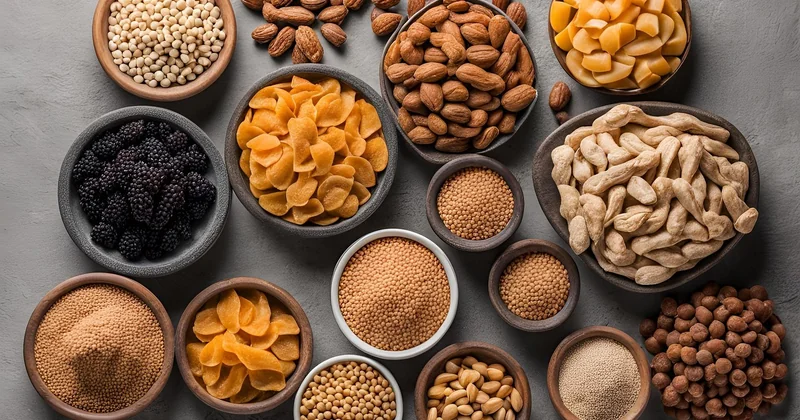
Tier 1 — the five-spice starter kit (about $25-35)
These five cover more cuisines than anything else you can put on a shelf:
- Black pepper — whole, in a grinder. Buy 2 oz; it lasts you six months of daily cooking.
- Kosher salt — technically not a spice, but nobody's pantry works without it.
- Garlic powder — the workhorse. 2 oz jar covers about four months.
- Sweet paprika — Hungarian or Spanish, whichever's on sale. Ground, so buy small: 2 oz max.
- Cumin — ground, 2 oz. If you cook anything resembling a chili, a curry, or a taco, you'll be through it in weeks.
Tier 2 — the ten-spice working pantry (+$20-25)
Once Tier 1 is on rotation, add these. They unlock whole recipe families:
- Smoked paprika (a different beast from sweet — do not substitute blindly)
- Chili powder or a single dried chili variety you grind yourself
- Dried oregano
- Cinnamon (stick or ground)
- Ground coriander
- Turmeric
- Ground ginger
- Bay leaves
- Red pepper flakes
- Onion powder
Tier 3 — the reach shelf (buy only when a recipe demands it)
Cardamom, star anise, sumac, za'atar, fennel seed, mustard seed, saffron, smoked salt. Buy these individually, in tiny quantities — 1 oz or less — and only when a specific dish calls for them. Not as aspirational shelf decor.
That's roughly 20 jars total, which is more than enough for a home cook feeding one to six people.
| Spice | Whole shelf life | Ground shelf life | Buy this much (1-2 person household) |
|---|---|---|---|
| Black pepper | 3-4 years | 6-12 months | 2 oz whole |
| Cumin | 2-3 years | 6 months | 2 oz ground |
| Paprika | n/a | 6-8 months | 2 oz |
| Cinnamon | 3 years | 8-12 months | 4 sticks or 2 oz ground |
| Turmeric | 2-3 years | 6 months | 2 oz |
| Bay leaves | 2-3 years | n/a | 1 small bag |
How long do spices actually last?
Longer than you think when whole, shorter than you think when ground. That's the whole answer, and it frustrates people who want a single number.
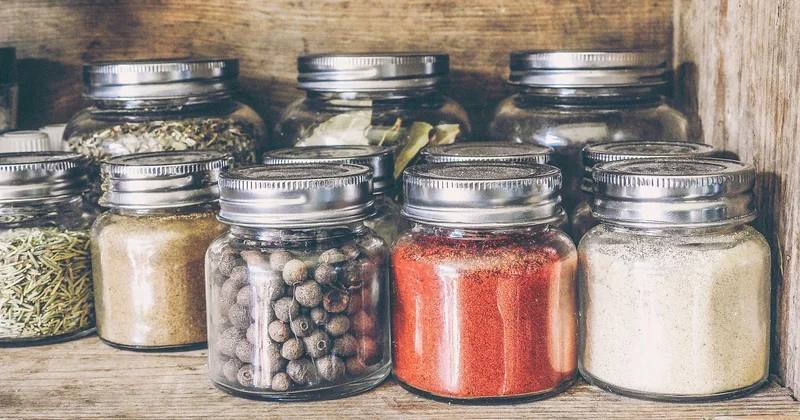
The practical test is not the date on the jar. It's this: put a pinch in your palm, rub it between your fingers, and smell. If the aroma jumps out at you, it's alive. If it smells flat, musty, or vaguely like cardboard, it's dead — regardless of when you bought it.
Concrete signs your spice is done
- No smell when you rub it between your fingers
- Clumps that won't break with a shake (moisture got in)
- Color has faded toward gray or brown — paprika and turmeric are the loudest offenders
- You have to use twice as much to taste anything
That last sign is the one people ignore. If your recipe calls for a teaspoon and you're reaching for two, the jar's already gone.
How should you store spices so they don't die early?
Away from heat. Away from light. Away from steam. That's the whole game.
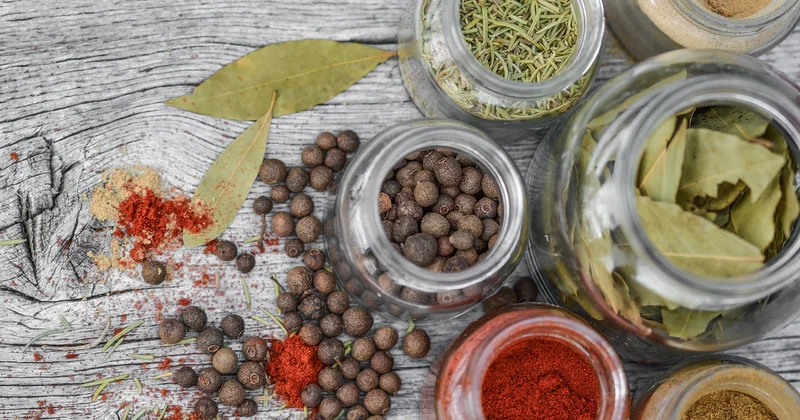
The single biggest mistake I see in home kitchens — and I made it for years — is keeping the spice rack above the stove. It looks great. It's also the worst possible spot, because every time you boil pasta or sear a steak, you're cooking your spices a little more. Heat accelerates the loss of volatile oils, and volatile oils are the entire point.
Move them to a cabinet away from the range. Transfer bulk bags into small airtight jars. And label them — sharpie on masking tape is fine. You'll thank yourself in six months when you can't tell the cumin from the coriander by sight.
Substitutions that actually work
Running out mid-recipe isn't the disaster people think. Here are swaps that hold up:
- No cumin? Mix ground coriander with a small pinch of caraway. Not identical, but close enough in most stews and chilis.
- No smoked paprika? Sweet paprika plus a single drop of liquid smoke. One drop. Not two.
- No ground ginger? Fresh ginger, grated finely, at about triple the volume. The flavor is brighter and less warm.
- No turmeric? Honestly, just skip it. Turmeric mostly contributes color and a faint bitterness. There's no good substitute.
- No chili powder? Equal parts sweet paprika, cumin, and a pinch of cayenne.
The one substitution I'd avoid: swapping cinnamon for cassia or vice versa without tasting first. They behave very differently in baking, and cassia is much stronger.
Budget and buying strategy
A Tier 1 pantry runs about $25-35. Add Tier 2 and you're at roughly $50-60 all in — which, spread over a year, is less than one takeout order a month.
Buy from bulk bins or ethnic groceries when you can. The same cumin that costs $7 in a branded jar costs $2 in a bulk bag, and it's often fresher because it turns over faster. Just transfer it immediately into a small airtight container at home so it doesn't go stale in the bag.
What to skip entirely
Spice blends you can make yourself in thirty seconds. "Taco seasoning," "Italian seasoning," "poultry seasoning" — all of them are just combinations of what's already on your shelf, marked up and mixed with salt and anti-caking agents. Make your own as you cook.
Also skip anything sold in a shaker with a decorative wooden top. The mechanism is cute; the spice inside is usually stale.
The real point
Your pantry doesn't need forty spices. It needs the handful you'll actually open this week, stored somewhere cool, replaced before they turn to dust.
The test isn't how many jars you own. It's how many smell alive when you rub them between your fingers. Everything else — the pretty labels, the alphabetized shelf, the collector's ambition — is decoration.
Start with five. Cook with them until you know them by smell. Add the next five only when you notice something missing. Your cooking will get better faster than any shopping spree could ever manage.