Seasonal fruits and vegetables buying guide: how to shop smarter, month by month
Strawberries in January taste like nothing. I know this because I bought a clamshell in the middle of winter a few years back, paid nearly double the summer price, and got fruit that was pale at the tip and watery at the core. My kids ate two and left the rest to rot in the fridge. That was the moment I stopped treating the produce aisle as a year-round catalog and started treating it as a calendar.
This seasonal fruits and vegetables buying guide is built around what actually changes your shopping: knowing what's in season near you, how to tell if it's fresh once you're standing there, and how to store it so you don't throw money away three days later.
The reason seasonality matters isn't romantic. It's practical. Peak-season produce is picked closer to ripeness because it doesn't have to survive a long haul. It costs less because supply is abundant. And it usually tastes better because sugar development happens on the plant, not in a truck.
Key takeaways
- Seasonal charts are regional, not universal. A chart for California won't match what grows in Maine the same week.
- Peak-season produce is typically cheaper, riper, and more nutrient-dense because it's harvested closer to maturity.
- Bananas, apples, and ripe avocados release ethylene gas that ripens (and ruins) nearby produce fast.
- Refrigeration is not always the answer: tomatoes, potatoes, onions, and winter squash do better at room temperature.
- Learn the physical ripeness cues per product. Labels lie; your nose and hands don't.
What season fruits and vegetables chart should you actually use?
Here's the uncomfortable truth: the chart everyone downloads is almost always wrong for their location. I've watched people print a "seasonal produce guide" from a national website, tape it to the fridge, and then wonder why the local farm stand has no peaches in early May.
A season chart is a reference for when a crop is typically harvested in a given climate zone. The problem is that "typically" shifts by hundreds of miles and several weeks.
Why one chart cannot fit everyone
Georgia peaches come in weeks before New York peaches. California strawberries are available nearly year-round thanks to its coastal climate, while a grower two states inland has a window of maybe six weeks. If you're in USDA zone 5, your tomato season starts later than someone in zone 9, full stop.
So the chart you want is the one from your state's cooperative extension service or a regional farm bureau. Those exist, they're free, and they're built from actual harvest data for your area rather than an averaged national guess.
If you can't find one, build your own in a single season. I did this the slow way: every Saturday at the farmers market, I noted what was abundant and cheap. By the end of one year I had a personal chart more accurate than anything I'd downloaded, because it reflected the specific farms I actually buy from.
What a useful chart should contain
A chart earns its place on your fridge only if it answers four things. Anything less is decoration.
- The month or week range, not just the season name
- Whether that item is local, regional, or shipped in from elsewhere
- Storage guidance: counter, fridge drawer, or cool dark place
- Peak window flagged separately, since "in season" and "at its best" aren't the same thing
That last distinction trips up most shoppers. Asparagus is "in season" for a couple of months, but the first two weeks are when it's genuinely sweet and tender. Later stalks get woody. A good chart tells you the peak, not just the range.
Which fruits and vegetables are in season right now?
Late July is one of the best times of year to be a shopper in most of the Northern Hemisphere. You're in the middle of the summer peak: stone fruit, berries, tomatoes, corn, zucchini, peppers, cucumbers, and melons are all hitting their stride.
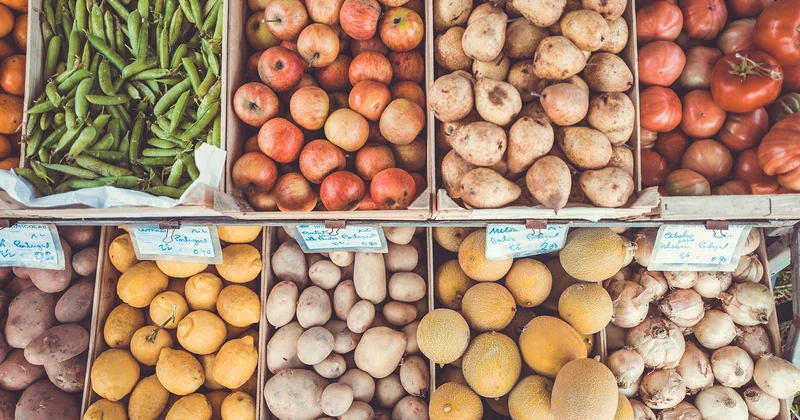
But "right now" depends entirely on where you're standing. Someone in Arizona and someone in Vermont are eating from different harvests this same week.
A rough guide by season
Use this as a starting point, then adjust for your region.
| Season | Fruits at peak | Vegetables at peak | Storage note |
|---|---|---|---|
| Spring | Strawberries, rhubarb, apricots | Asparagus, peas, radishes, spinach, lettuce | Leafy greens: fridge, wrapped in a damp towel |
| Summer | Peaches, plums, cherries, berries, melons | Tomatoes, corn, zucchini, peppers, cucumbers | Tomatoes and stone fruit: counter, never the fridge |
| Autumn | Apples, pears, figs, grapes | Pumpkin, squash, sweet potatoes, Brussels sprouts | Squash and sweet potatoes: cool, dark, dry place |
| Winter | Citrus (oranges, grapefruit, mandarins), pomegranates | Kale, leeks, parsnips, cabbage, root vegetables | Citrus: fridge drawer; roots: cellar or pantry |
The regional reality check
Someone in Florida can buy local strawberries in February. A shopper in Minnesota waits until June. This is why a "fruits and vegetables in season by month" chart should always come with a state or zone label.
Here's a habit that fixed this for me: at the market, I ask one vendor the same question every week. "What came in this week?" Their answer is more current than any printed chart, and after a few months you build a mental calendar specific to your own food supply.
Another practical trick: check the country or state of origin on the sticker or sign. If it says "Product of Chile" in the middle of your local summer, that item traveled a long way and was almost certainly harvested before it was ripe.
What should you not store near bananas?
Bananas, apples, avocados, pears, peaches, and melons all release ethylene gas, a natural plant hormone that triggers ripening. Store them next to ethylene-sensitive produce and you'll accelerate spoilage fast.
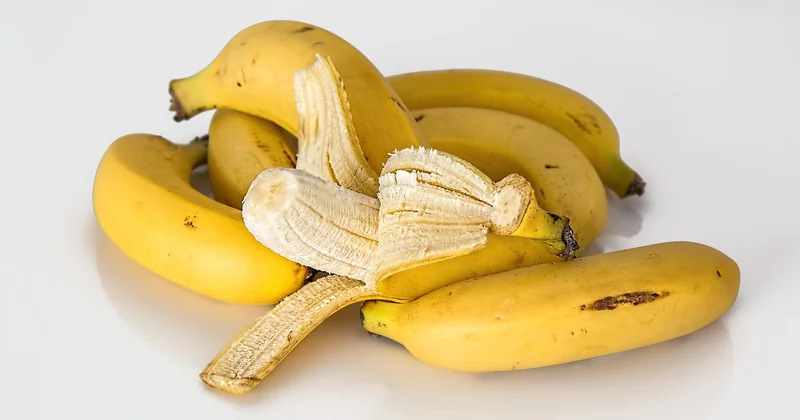
I found this out the hard way. I once stacked a bag of spinach next to a bowl of ripe bananas, thinking nothing of it. Two days later the spinach was yellow and slimy, while the bananas were fine. The gas did the damage. Since then, bananas live alone in a corner, away from everything leafy.
Ethylene producers vs. sensitive crops
Keep these apart in your kitchen.
- Producers: bananas, apples, avocados, pears, peaches, melons, tomatoes
- Sensitive: leafy greens, broccoli, cucumbers, carrots, potatoes, watermelon, berries
One useful exception: if you deliberately want to ripen something—a hard avocado, a green tomato—place it in a paper bag with a ripe banana. The gas accelerates ripening dramatically. Same chemistry, opposite goal.
Temperature errors that cost you money
Refrigerating everything "to keep it fresh" is a common and expensive mistake. Cold damages some produce and can turn it mealy or tasteless.
- Never refrigerate: tomatoes, potatoes, onions, garlic, winter squash, whole melons, bananas
- Always refrigerate: berries, leafy greens, asparagus, broccoli, mushrooms, fresh herbs
- Room temp until ripe, then fridge: avocados, peaches, plums, pears, mangoes
A cold tomato loses its aroma compounds permanently. Once a tomato has been refrigerated, it never fully recovers its flavor—the enzymes responsible for that fresh, sweet taste simply stop working.
What fruit is best to buy this time of year?
Right now, in late summer, the answer is almost always stone fruit and berries. Peaches, nectarines, plums, apricots, blackberries, and blueberries are at peak sweetness and their prices fall because supply is at its highest.
But the better habit isn't memorizing "the best fruit this month." It's learning to judge ripeness on the spot, since peak season only helps if you pick a good one.
How to read freshness at the market
Signs shift from product to product, but some cues are universal.
- Peaches and nectarines: smell the stem end. Aroma means ripe. Hard fruit with no scent will often stay bland.
- Watermelon: look for a creamy yellow field spot on the underside, and a deep hollow sound when you knock.
- Corn: the husk should be tight and green, and the silk should be slightly damp. Peel back a tip to check the kernels are plump.
- Tomatoes: heavy for their size, with a strong smell at the stem and a deep, even color. Skip anything with a hard white core.
- Berries: dry, firm, and bright. Juice stains at the bottom of the container mean crushed and aging fruit.
And on the price side: out-of-season produce usually costs noticeably more because it's either shipped long distances or grown in heated greenhouses. Buying in season can cut your produce bill by a meaningful margin without changing anything else about how you cook.
How to build your own seasonal shopping routine
Charts are useful. Habits are what save money.
Here's the routine that stuck for me, after plenty of failed attempts. It's less about discipline and more about reducing decisions.
- Pick one weekly market day and stick to it, so you're shopping the same stalls and building a relationship with vendors.
- Ask one question every visit: "What's best right now?" Buy more of that.
- Plan meals backward from what's actually abundant, not from a recipe that requires imported ingredients.
- Store by category the moment you get home. Separate the ethylene producers, refrigerate the sensitive items, and leave the rest out.
- When something is at peak and cheap, buy extra and freeze or preserve it for the off-season.
That last step is where the real savings live. I freeze berries and roast-and-freeze tomatoes every summer. By January, I'm eating summer produce I paid summer prices for, instead of pale imports at three times the cost.
Where to find a printable seasonal produce guide
If you want something to put on the fridge, look for two sources: your state's cooperative extension service produce guide, and a regional farm bureau seasonal food chart. Both are free, and both are tailored to where you actually live.
You'll also find plenty of "seasonal fruits and vegetables buying guide PDF" files online, but check where they originated. A guide built for one climate zone can be off by weeks in another.
If you can't find a good one, make your own. Buy a blank calendar, spend one growing season noting what's abundant each week, and you'll end up with a document more accurate for your kitchen than anything you could download—because it reflects the farms, the weather, and the prices you actually live with.
Seasonality isn't a rule to follow perfectly. It's a set of signals: what's cheap, what's ripe, and what's worth buying today. Learn to read those signals and your cooking improves, your bill drops, and your fridge stops being a graveyard of half-eaten fruit. The best time to start is whatever's in season this week.