The waiter doesn't ask if you want the plat du jour. He tells you what it is, and if you hesitate, he's already gone. That's the bistro in one gesture: a short menu, no ceremony, food that arrived hot from a pan three feet away. Most of what you love about it isn't technique you lack. It's timing and fat.
You can get the timing and the fat right in an ordinary kitchen. I know because I ruined a lot of pans figuring it out. Recreating French bistro classics at home isn't about buying a copper batterie de cuisine or finding a supplier of artisanal Échiré butter. It's about understanding why four or five dishes work the way they do, then bending your equipment around them.
Key Takeaways
- A bistro is defined by speed and a short menu, not by an appellation. A brasserie is bigger, open all day, often Alsatian in origin, and serves beer.
- The five techniques that carry most dishes: deglaze, reduce, mount with cold butter, gratinate, rest.
- Most home failures come from cold pans and impatient reducing, not missing ingredients.
- Your oven's broiler replaces a salamander almost perfectly, if you move the rack up and use a heavy pan.
- A full bistro dinner — starter, main, dessert — is realistic for six people in a home kitchen. Doing four courses is where it collapses.
What actually makes a dish a bistro classic
Roughly two dozen dishes carry the entire category. Boeuf bourguignon, coq au vin, steak frites, soupe à l'oignon gratinée, croque-monsieur, moules marinières, confit de canard, blanquette de veau, pot-au-feu, gratin dauphinois, tarte Tatin, île flottante, crème brûlée, escargots de Bourgogne, andouillette, rillettes, quiche Lorraine, salade niçoise, poireaux vinaigrette, and profiteroles. There are a few others — daube, aligot, pissaladière — but that list is the spine.
What unites them isn't geography. It's a set of constraints the bistro kitchen imposed on itself: leftovers become tomorrow's dish, cheap cuts get long cooking, and nothing leaves the pass looking arranged. You'll notice that almost every one of these plates is brown. That's not an accident. It's the color of a pan that has been deglazed a thousand times.
Where each dish actually comes from
Regional origin matters less than people pretend, but a few facts are worth keeping straight. Salade niçoise is from Nice and traditionally contains no cooked vegetables at all — no green beans, no boiled potato. The version you see in most restaurants is a Parisian invention. Quiche Lorraine comes from Lorraine and its classic form has bacon, egg, cream, and nothing else; onions and cheese were later additions. Andouillette is Lyonnais and it is not for everyone, which the French themselves will tell you with some glee.
Blanquette de veau is often described as Parisian. Gratin dauphinois is from the Dauphiné, and the real version contains no cheese — just cream, garlic, and potatoes. Adding gruyère makes it a gratin savoyard, which is a different dish with a different name. If you serve it with cheese and call it dauphinois, someone from Grenoble will correct you. I learned this the tedious way at a dinner party.
The techniques that do the real work
Here's the thing: you already own everything you need. What's missing is a handful of moves that bistro cooks make without thinking. Learn these four and most of the list above becomes reachable.
Deglazing — the step home cooks skip
After you sear meat, the pan holds a layer of browned protein and fat that is the entire flavor base of the sauce. Wine, stock, or even water poured in while the pan is still hot lifts it in about fifteen seconds. Cold pan, and it won't release. That's the whole trick.
Use a dry white like a Muscadet or a Sauvignon, or a light red for beef. Avoid anything oaky or sweet; reduction concentrates those notes and they turn bitter fast. If you don't drink alcohol, a splash of stock with a teaspoon of vinegar works, though the result is flatter. I've tried both. The vinegar version is fine. Just fine.
Reduce, then mount with cold butter
Reduction is the same operation in every sauce: simmer until the liquid coats a spoon. That's it. No thermometer. The failure mode is under-reducing, which leaves you with a thin, sharp sauce, and the second failure mode is reducing too hard and salting yourself into a corner, because you're concentrating salt as well as flavor.
Off the heat, whisk in cold cubed butter a piece at a time. This is monter au beurre, and it's what gives bistro sauces their gloss. Warm butter breaks. Cold butter emulsifies. Room-temperature butter sits in between and gives you a greasy sauce that looks fine and tastes thin.
- Take the pan off the burner before the butter goes in.
- Add the cubes one or two at a time, whisking until each disappears.
- Never let the sauce boil again after mounting.
- If it breaks, a teaspoon of cold water and a hard whisk usually brings it back.
Your broiler instead of a salamander
A bistro gratin comes out of a salamander, an overhead grill that blasts intense radiant heat at roughly 800 to 900 degrees Fahrenheit at the surface. A home broiler runs a few hundred degrees cooler and sits farther from the food. You can compensate.
Put the rack as high as it goes. Use a heavy pan that has been preheated, so the underside of your gratin doesn't stay cold while the top browns. And watch it — the window between "golden" and "carbon" is under a minute. I've burned more onion soups than I care to count, always by walking away for ninety seconds to answer a question.
The shopping problem, and what to do about it
Outside France, the ingredient gap is real but narrower than it looks. The three items people ask about most are cheese, wine, and bread.
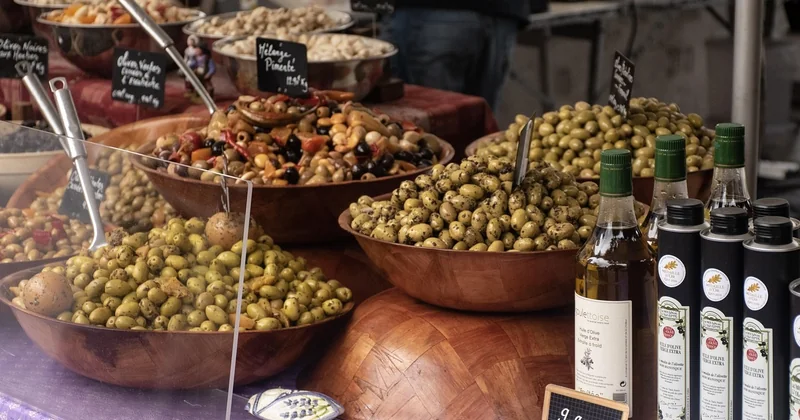
| Ingredient | What the bistro uses | Workable substitute | What to avoid |
|---|---|---|---|
| Cheese for gratinating | Comté aged 12–18 months, or Gruyère | Beaufort, aged Gouda, or a sharp alpine-style cheese from any decent counter | Pre-shredded bagged cheese (starch coating, poor melt) |
| Cooking wine | Dry, unoaked, cheap | Any dry unoaked white under $10; dry vermouth in a pinch | "Cooking wine" labeled as such (salted), oaked Chardonnay |
| Bread for croque-monsieur | Pain de mie, thin-sliced, soft crust | Pullman loaf or brioche, sliced thin and lightly dried in the oven | Sourdough (too chewy, won't compress) |
| Butter for mounting | High-fat cultured butter, 82% fat | European-style cultured butter from the supermarket | Standard 80% butter with added water |
| Herbs | Flat-leaf parsley, thyme, bay | Same, fresh; dried thyme works if used early | Dried parsley (tastes like paper) |
The butter one matters more than people expect. That 2% difference in fat is a 10% difference in water, and water is what makes sauces break. If you can only upgrade one thing in your kitchen, upgrade the butter.
Ten dishes to start with, ranked by difficulty
If you're building toward a full dinner party, don't start with the hardest dish. Start with the one that teaches you the most. Here is how I'd sequence it, from easiest to most demanding, based on what actually tripped me up rather than on how impressive the plate looks.
- Poireaux vinaigrette. Boiled leeks, mustard vinaigrette, served cold. Teaches you nothing except that simple food can be excellent.
- Croque-monsieur. Béchamel is the only real step. Make it thick.
- Salade niçoise. Assembly, not cooking. Use good tuna in oil.
- Gratin dauphinois. Low oven, long time, no cheese. Patience test.
- Moules marinières. Fifteen minutes start to finish. The only risk is overcooking.
- Soupe à l'oignon gratinée. The onions need 45 minutes to an hour of real caramelization. Rushing this is the single most common error.
- Steak frites. Deceptively hard. Two-stage frying for the potatoes, and the steak must rest.
- Coq au vin. Marinade overnight, then a long braise. Forgiving once it's in the oven.
- Boeuf bourguignon. Same logic, more steps, better payoff the next day.
- Blanquette de veau. The hardest on this list. Two sauces, a liaison, and a fine line between creamy and curdled.
Do them in that order and you'll have built the muscle memory by the time you reach the ones that punish mistakes. Doing blanquette first is how you end up discouraged and ordering takeout.
What are some classic French dishes I can make at home?
Any dish built on braising, boiling, or gratinating is fair game for a home kitchen. That covers boeuf bourguignon, coq au vin, blanquette de veau, pot-au-feu, gratin dauphinois, quiche Lorraine, soupe à l'oignon, moules marinières, croque-monsieur, poireaux vinaigrette, salade niçoise, and most of the dessert list, including crème brûlée and tarte Tatin.
What's genuinely difficult at home is anything requiring a very hot, very steady heat source: a proper steak frites with a crust, a whole canard à l'orange, anything needing a salamander. These are doable, but they demand equipment and attention that a home kitchen makes awkward. My advice is to skip them until you've done a few braises. The braises teach you reduction and seasoning. Then the high-heat dishes become manageable instead of chaotic.
What are the 10 most famous French dishes?
If you polled a hundred people outside France, you'd get a fairly consistent list: boeuf bourguignon, coq au vin, ratatouille, soupe à l'oignon, escargots, crêpes, quiche, cassoulet, steak frites, and crème brûlée. Within France the list shifts and varies by region, and pot-au-feu and blanquette would rank higher in most households than they do abroad.
Worth noting: several of these are regional dishes that got promoted to national symbols through restaurant culture rather than through home cooking. Cassoulet is from the southwest, ratatouille from Provence, and both traveled. Fame and tradition aren't the same thing.
Which bistro did Julia Child actually favor?
She wrote about several, but the one most associated with her is Le Petit Bac on the rue de l'Université in Paris, a small establishment she frequented in the postwar years. She also spent time at La Couronne in Rouen, which is where the famous first meal of sole meunière took place, and that meal is the one she credited with turning her toward cooking seriously. If you're looking for a single answer, Le Petit Bac is the bistro name that comes up in her recollections of everyday eating rather than of occasion dining.
The distinction matters for a reason worth remembering: the bistro she liked wasn't exceptional. That was the point. It was the kind of place you went twice a week, where the menu barely changed, and where the food was good because the cook had made it a thousand times. Recreating that at home means accepting repetition as the technique. Cook the same dish monthly. You'll get better faster than by chasing variety.
Building a bistro menu that actually works in a home kitchen
The structure is starter, main, dessert, with bread and a pitcher of wine throughout. The timing is the hard part, and it's where most home attempts fall apart.
Choose dishes that can be made in advance. A blanquette or bourguignon reheats better on day two than it tastes on day one. A gratin dauphinois can rest for twenty minutes covered. Poireaux vinaigrette is better cold. So build your dinner party around dishes that improve with time rather than dishes that need a last-minute push.
The one thing you cannot prepare ahead is the gratinating. Onion soup needs its cheese melted under the broiler at the moment of service, and that's a two-minute job per bowl if your broiler is hot and the bowls are already filled. Plan for it. Have the bowls assembled on a sheet pan, cheese on top, waiting. Then it's one trip under the heat for the whole table.
Aim for four people maximum the first time. Six is possible. Eight is where I've watched a well-planned dinner turn into a scramble, with the main going cold while the starters get cleared. Small is better. Bistros seat forty, but they have four cooks and a dishwasher who never stops.
What still trips me up
Salt. Specifically, salting the braise before it reduces. Every time I season the liquid at the start, the final sauce is too salty, because I've concentrated the seasoning along with everything else. Now I salt at the end, and only after mounting. The meat gets salted before searing. The sauce gets salted last. That change alone fixed about half of my bad results.
The other thing is the resting. A steak needs to sit, loosely covered, for as long as it cooked. Six minutes on each side means twelve minutes of rest. Everyone knows this and almost nobody does it, including me for the first two years. Cut early and the juice ends up on the board instead of in the meat.
None of this is difficult. What makes bistro cooking work is not complexity but the refusal to cut corners on a handful of small steps. Deglaze the hot pan. Reduce until it coats. Mount off the heat. Rest the meat. Broil at the last second. Five moves, repeated for decades, and you have a cuisine.
The next time you make a braise, taste it before and after you mount the butter. You'll notice the difference immediately — and you'll probably never skip that step again. That's how the classics get into your hands. Not through a recipe, but through one small correction you make and can't un-make.